

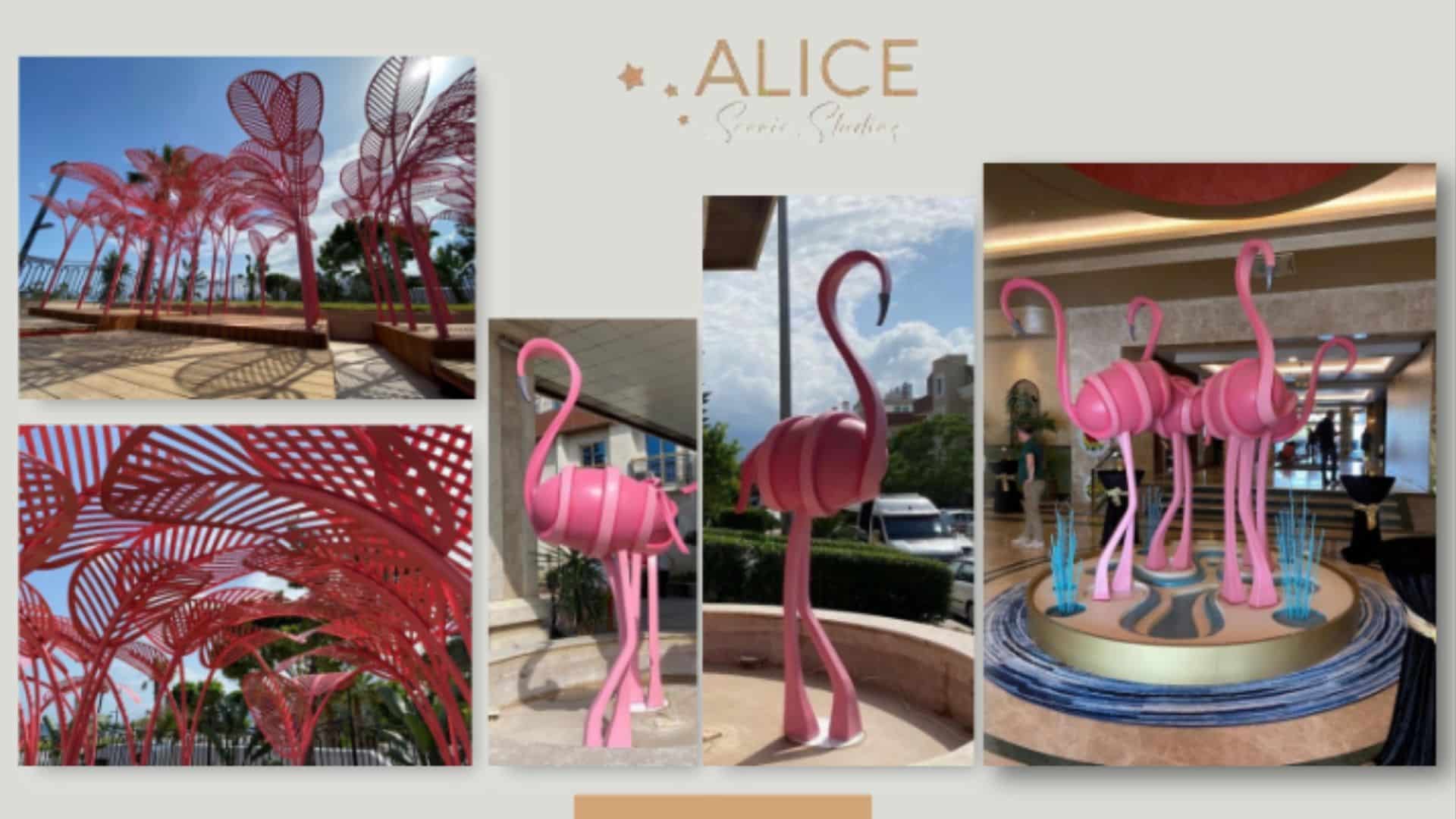
How Themed Environment Fabrication Turns Creative Concepts Into Immersive Attractions
Ever walked into a space that made you forget where you actually were? That’s not an accident. That’s themed environment fabrication at work. It is the craft of turning a story into a physical world you can walk through and touch.
Here’s how that transformation actually happens, from the first concept sketch to opening day.
Every Environment Starts With a Story, Not a Blueprint
Before any material gets cut, there’s a story that needs to be understood. Themed environment fabrication doesn’t start with construction. It starts with a concept, a mood, and a feeling that the finished space is meant to deliver.
This early planning stage covers:
- Master planning and experience design, which maps how visitors move from entry to exit so the story unfolds naturally as they walk through
- Concept illustration and 3D visualization, giving every stakeholder a clear picture of the finished environment before anything is committed
- Material and finish specification, choosing the right surfaces for visual richness, durability, and budget across the whole project
- Technical production drawings, documenting every structural and scenic element so nothing is left to guesswork once building begins
Skip this stage, and it shows. Spaces end up feeling disconnected, like a nice wall here and a random prop there, instead of one world that holds together.
Turning the Concept Into a Physical Build
This is the part where the idea actually becomes something you can stand inside. Custom-themed environment fabrication pulls together carpentry, metalwork, sculpting, painting, and AV work into one coordinated process, rather than treating each piece as a separate job handled by different vendors.
That coordination matters more than people think. When one team builds the structure, finishes the surfaces, and wires the lighting, everything ends up feeling like it belongs to the same world. Here’s what goes into the build phase:
- Structural scenic carpentry and millwork, used to construct portals, facades, and interior architecture to exact dimensions
- FRP sculpting and character fabrication, which brings rock formations, trees, landscape features, and large character pieces to life in fiberglass for lasting durability
- Scenic paint and aged finishes, applied in layers by hand, so surfaces carry texture, warmth, and age instead of looking flat or new
- Interactive and AV system integration, built into the structure itself rather than added on afterward, covering lighting, projection surfaces, and sound infrastructure
This is where custom-themed environment fabrication proves its value. A generic build might get the shape right. A custom one gets the feel right, and feel is what makes visitors believe they’re somewhere else.
Why Scenic Elements Do the Heavy Lifting
If the structure is the skeleton, scenic fabrication is the skin, and it’s doing most of the emotional work. A visitor doesn’t consciously register a beam or a support frame. They register the texture on a rock wall, the color of a weathered door, the way a prop looks like it’s been sitting in that spot for decades.
Good scenic fabrication relies on a few consistent principles:
- Surfaces should look touched by time, not freshly painted, even when they’re brand new
- Materials need to match the story, so a jungle environment and a sci-fi corridor use completely different textures, colors, and finishes
- Props and structural elements should share the same visual language, so nothing feels like it was added as an afterthought
- Every detail, down to signage and wayfinding graphics, should stay in character with the rest of the space
This is also where wayfinding, graphics, and environmental signage come in. They’re functional, but done well, they read as part of the story instead of interrupting it.
Built to Handle Real Visitors, Not Just Look Good in Renderings
A themed environment isn’t a museum piece behind glass. People touch it, lean on it, and walk through it thousands of times a week. That means themed environment fabrication has to account for daily wear from day one, not as an afterthought once complaints start coming in.
Different settings put different demands on a build:
- Theme parks and attractions need queue areas, ride theming, and character zones that hold up under constant foot traffic without losing their finish or detail
- Retail and hospitality spaces, including flagship stores, hotel lobbies, and themed restaurants, need environments that feel tactile and considered enough to make a visit memorable
- Pop-up and experiential environments need builds that make a strong impression quickly, since the window to capture attention is often short
The materials and construction methods used at the fabrication stage decide whether a themed space still looks sharp after a year of heavy use or starts falling apart after a few months.
Installation Is Where Everything Either Comes Together or Falls Apart
A perfectly fabricated piece means nothing if it’s installed incorrectly or shows up on site out of sync with everything else. Installation and handover involve managing the full on-site process, coordinating with construction and operations teams, and making sure every scenic element goes in correctly and on schedule.
A project isn’t finished until:
- Every surface is complete and finished to spec
- Every lighting, sound, and interactive system has been tested
- The space is genuinely ready to open, not just visually close to done
Skipping careful installation is one of the most common ways a well-designed concept ends up looking rushed once it’s actually built.
The Bottom Line
A concept on paper is just an idea. Themed environment fabrication is what turns that idea into something people can physically stand inside, touch, and remember long after they leave. It takes a coordinated process, from early concept design through structural building, sculpting, scenic painting, and careful installation.
Ready to turn your next concept into a fully immersive environment? Partner with Alice Scenic Studios and let’s build a world people won’t forget easily.
Frequently Asked Questions
- How does themed environment fabrication turn concepts into attractions?
It starts with a concept phase that defines the story, then moves into structural carpentry, sculpting, painting, and AV integration, all coordinated as one process. Because the same team handles design through installation, the finished attraction feels like a single connected world rather than separate pieces stitched together.- What does it take to build an immersive themed environment?
It takes detailed concept design, precise structural work, sculpted features, layered scenic finishes, and integrated lighting or sound systems. Just as important is consistency: every material, texture, and detail needs to support the same story so nothing pulls a visitor out of the experience. - How do scenic elements create an immersive attraction?
Scenic elements like textured surfaces, aged finishes, and sculpted props give a space its emotional read. Structure gives a space its shape, but scenic work gives it a feeling of history, character, and realism, which is what actually convinces visitors they’ve stepped into another world. - How long does a themed environment fabrication project usually take?
Timelines vary widely depending on scale, but most projects move through concept design, fabrication, and installation in stages, with larger attraction environments naturally taking longer than smaller retail or hospitality builds. - Can an existing space be converted using themed environment fabrication?
Yes. Many projects involve retrofitting an existing space rather than building from scratch, using structural additions, scenic finishes, and custom fabrication to reshape how a space feels without a full teardown.