

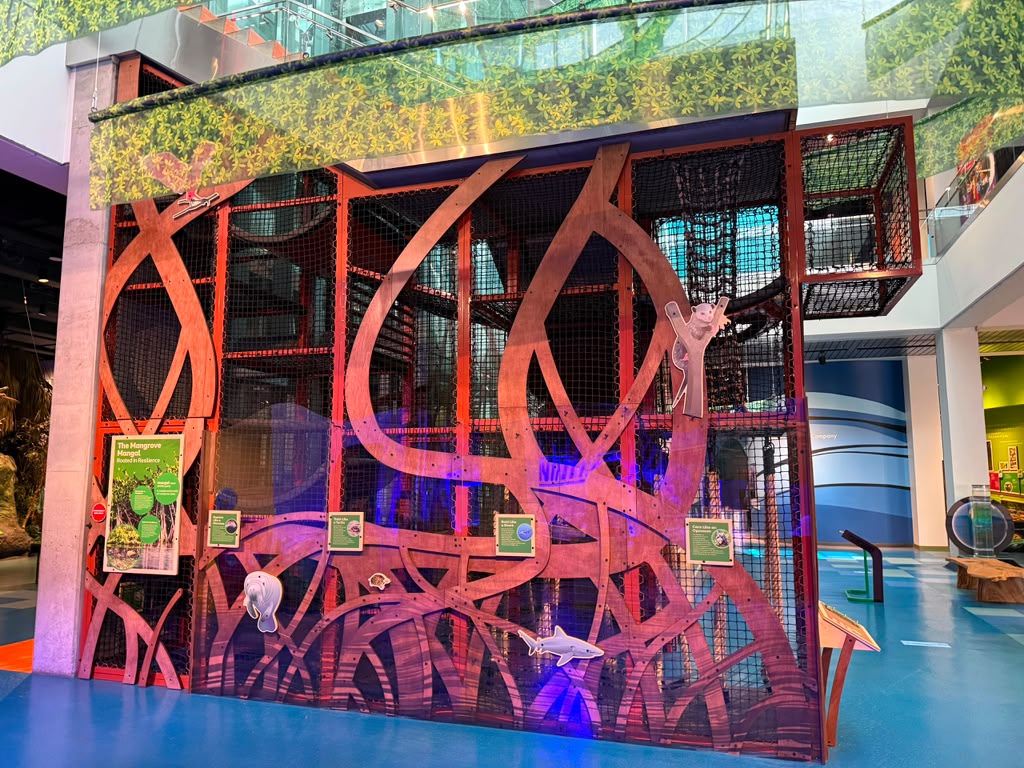
The Museum Exhibit Design Process: From Planning to Fabrication
Every exhibit-visitor walkthrough started as a rough idea on paper. This blog breaks down how a museum exhibit design project moves from an early concept to a finished, walk-through space. By the end, you will understand what happens behind the scenes at each phase and what museums should watch for along the way.
Where Every Project Actually Begins
Long before anyone touches a tool, a project starts with questions. What story does the exhibit need to tell? Who is the audience? What does the museum want visitors to walk away remembering?
At this stage, teams address:
- The core message or theme the exhibit needs to communicate
- Audience age range and accessibility requirements
- Available budget and realistic project timeline
- Space constraints within the museum
Skipping this groundwork is one of the most common reasons museum exhibit design projects run over budget later. A weak foundation shows up in every stage that follows.
Turning Ideas Into Blueprints
Once the concept is approved, the project moves into technical planning. Rough sketches become floor plans, elevation drawings, and detailed visual references that a fabrication team can actually build from.
This phase usually covers:
- Visitor flow and traffic patterns through the space
- Placement of major elements, cases, and interactive stations
- Sightline checks for different visitor heights, including wheelchair users
- Early lighting and structural planning
Good museum exhibit design treats this phase as the most important checkpoint in the whole process. Changes are cheap here. Once fabrication starts, the same change can cost far more in time and materials.
Decisions That Shape the Final Build
Material choice gets overlooked by people outside the industry, but it drives nearly every outcome that matters: cost, durability, and how the exhibit looks five years down the road.
Designers weigh several factors before locking in materials:
- How much daily handling a piece will realistically face
- Cleaning and maintenance requirements over time
- Fire code and accessibility compliance
- How well a material holds paint, texture, and fine detail
These decisions rarely happen in isolation. Most museums bring in an exhibit production company at this stage to confirm that the design is buildable within the approved budget, not just visually strong on paper.
Inside the Fabrication Shop
This is where drawings turn into physical objects. Sculptors, mold-makers, and finish artists take the approved design and build every piece by hand or through custom molds.
Work happening in the shop typically includes:
- Sculpting and mold-making for dioramas or replica pieces
- Building structural frames and mounting systems
- Applying paint, texture, and faux finishes to match reference art
- Wiring and assembling interactive or mechanical elements
An experienced exhibit production company manages this stage closely, since small errors here are far harder to fix once a piece is installed inside the museum. Communication between the design team and the shop floor matters just as much as the raw craftsmanship.
Why Local Fabrication Partners Make a Difference
Distance between the museum and the fabrication shop affects more than shipping costs. It affects how quickly problems get solved.
An exhibit fabrication company in NYC can send a team to the museum directly to take measurements, check doorway clearances, or troubleshoot an installation issue in person. That kind of hands-on access is hard to replace with phone calls and email threads.
Working with a nearby partner offers:
- Faster turnaround on last-minute adjustments
- Fewer shipping risks for large or fragile pieces
- Easier coordination with other on-site contractors
- More opportunities for in-person design reviews during the build
For museums based in or near major cities, choosing an exhibit fabrication company in NYC or another close regional partner often smooths out the final stretch of a project considerably.
Testing Before the Public Ever Sees It
Finished pieces do not go straight from the shop floor to the exhibit floor. They go through testing first, since problems are far cheaper to fix before installation than after.
Typical checks include:
- Structural stability under repeated weight and pressure
- Reliability testing for interactive or mechanical components
- Reviewing finishes and colors under the exhibit’s actual lighting
- Confirming accessibility standards are fully met
Installation Day
The final phase brings everything together inside the museum itself. This stage demands tight coordination between the fabrication team, museum staff, and often other contractors working in the same space.
Installation typically involves:
- Transporting and carefully positioning large or delicate elements
- Wiring electrical and interactive systems on site
- Adjusting lighting and sightlines to match the actual room
- A final walkthrough with curators before opening day
Strong museum exhibit design planning accounts for these logistics from the very beginning. A piece that looks flawless in the shop still has to fit through the museum’s doors, hallways, and freight elevators without a scratch.
Common Slowdowns Worth Planning Around
Even well-managed projects hit friction points. Knowing where these usually happen helps museums plan ahead instead of reacting under pressure.
Frequent slowdowns include:
- Scope changes requested after fabrication has already started
- Underestimating how long custom mold-making actually takes
- Coordinating too many vendors without one clear point of contact
- Site conditions that differ from the original architectural drawings
Museums that build in extra time for these possibilities tend to stay closer to their original budget and opening date.
Choosing the Right Team for the Job
The team behind a project shapes the outcome at every single stage, not just the final build. A strong exhibit production company brings design input, engineering knowledge, and fabrication skill together, which cuts down on miscommunication between phases.
Before signing on with a partner, museums should ask:
- Can you show completed projects similar in scope to ours?
- What is your process for handling design changes mid-project?
- How do you approach quality control before installation?
- What does your typical timeline look like from approval to opening?
Clear answers to these questions early on tend to predict how smoothly the rest of the project will go.
The Bottom Line
A successful museum exhibit design project depends on strong planning just as much as skilled fabrication. Every phase, from early concept work to final installation, builds directly on the one before it. Rushing or skipping steps almost always costs more time and money later.
Alice Scenic Studios brings the sculpting, fabrication, and installation expertise needed to bring your next exhibit to life. Reach out today to start your project.
Frequently Asked Questions
- What is museum exhibit design?
It is the full process of planning and building the physical elements inside a museum, including layout, materials, graphics, and interactive components. - How long does a typical museum exhibit design project take?
Most projects run several months to a year, depending on scope, complexity, and how much custom fabrication the exhibit requires. - Why does material choice matter so much in exhibit projects?
Exhibits face constant public handling. The wrong material wears out fast, while the right one holds its finish and structure for years. - What role does an exhibit production company play in the process?
It typically manages design coordination, fabrication, and installation together, which keeps communication consistent across every stage of the project. - Does working with a local fabrication company actually make a difference?
Yes. A local team can visit the site directly for measurements and installation support, which reduces delays and shipping risks compared to a distant partner.