

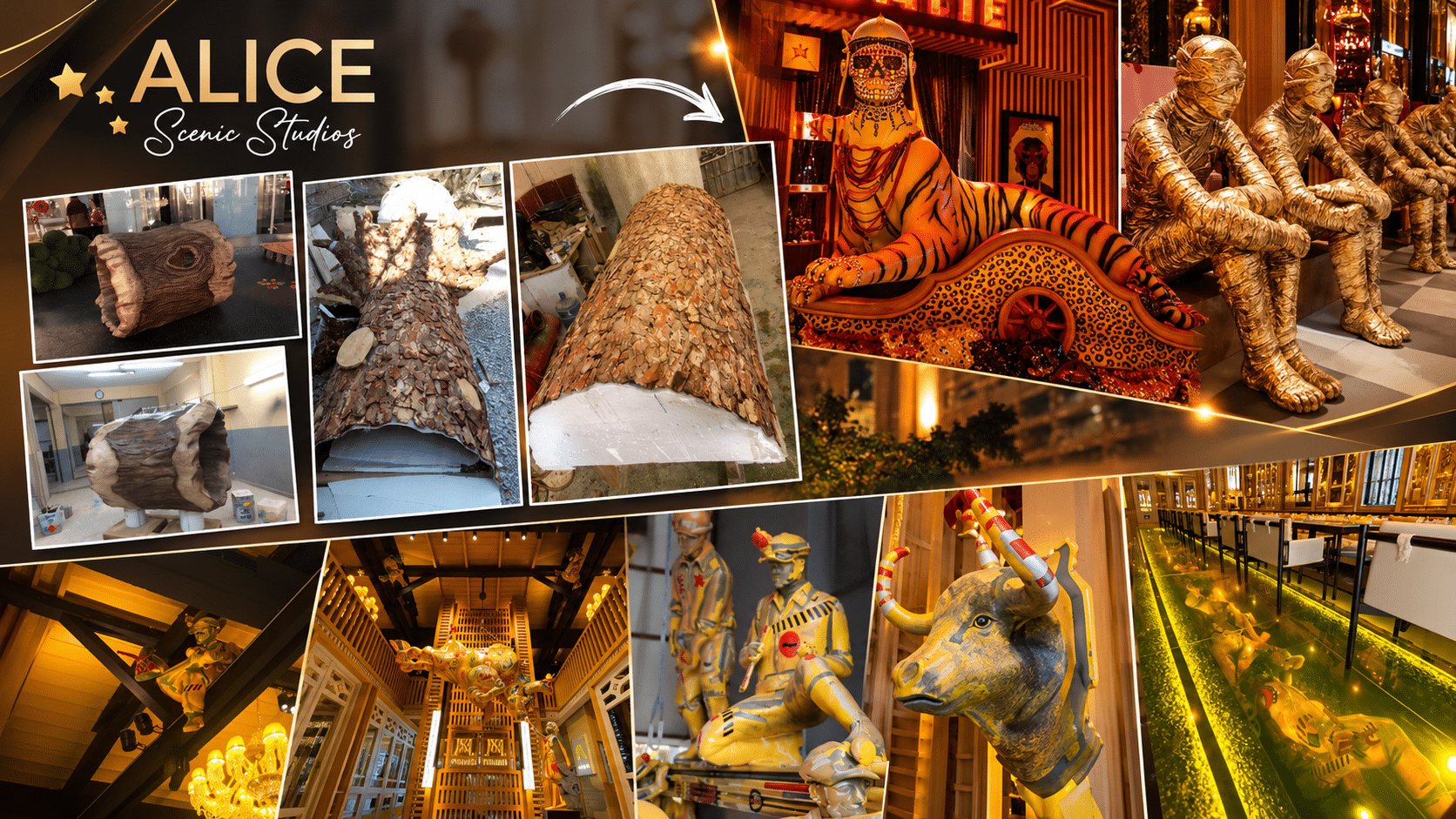
Behind the Build: How Professional Scenic Fabricators Turn Complex Designs Into Reality
Behind every striking theme park zone, museum hall, or broadcast set is a team that turns drawings into real objects. Good scenic fabrication companies do far more than cut, glue, and paint. They plan, test, build, and install with care.
In this blog, you will see how a complex design moves from screen to site, which skills and tools make that possible, and what to look for in a build partner.
From Idea to Object: The Path of a Build
Most projects follow a clear path. Each step takes guesswork out of the next one. Skipping a step usually means paying for it later, so good teams keep the order.
- Brief and scope: The team studies the vision, the site, the budget, and the timeline.
- 3D modeling: The design takes shape on screen before anything is built.
- Production drawings: AutoCAD drawings lock in sizes, so dimensions are set before cutting starts.
- Prototyping for complex projects: A physical prototype lets clients see and feel the design early.
- Fabrication: Wood, metal, plastics, fiberglass, and paint come together.
- Quality control: Each piece is reviewed before it leaves the shop.
- Installation: Pieces are placed, connected, and tested on site.
The Skills and Tools Behind Complex Designs
Complex designs need many trades working in step. Here is what that looks like at Alice Scenic Studios:
- Carpentry and millwork: A 10,000 sq ft carpentry facility handles work from fine trim to large scenic frames.
- CNC machining: 5X, 3X, and 2X CNC machines shape wood and composite materials with accuracy.
- Metalwork: In-house metalwork adds strength and clean detail.
- Molding and FRP: A 16,000 sq ft molding facility produces lightweight, weather-resistant fiberglass for outdoor pieces, large forms, and character sculptures.
- Casting: Polyurethane and polyester casting suit props, replicas, and themed architectural parts.
- 3D printing and CNC milling: These tools turn a digital file into a physical part.
- Paint and finish: Scenic painting, character work, aged patinas, and graphic treatments happen in-house.
- AV integration: Structures are built ready for lighting, sound, and interactive systems.
One concept may need wood, metal, fiberglass, paint, and electronics. That is why custom scenic fabrication services work best when the key trades share one team. Parts fit together better, and fewer details get lost between handoffs. It also makes timing easier to plan, since one team can coordinate every stage.
Building Whole Worlds, Not Single Props
Some projects need more than one great piece. They need a space that feels like one story. That is where themed environment fabrication comes in. It covers the full set of elements that make up a place. Examples include:
- Theme park ride elements and themed zones
- Indoor playgrounds, adventure parks, and water parks
- Branded retail displays and hotel furnishings
- Museum exhibits with interactive builds, AR, VR, and projection mapping
- Broadcast and studio sets with modular pieces and technology-ready builds
- Seasonal and holiday displays for malls and public spaces
Learn more about our museum exhibit fabrication capabilities.
How Big Projects Stay on Track
Large builds have many moving parts. Strong scenic fabrication companies treat project management as part of the craft. Good habits include:
- One clear lead: U.S.-based project managers oversee the details from start to finish.
- Early scope checks: Site details, budget limits, and goals are reviewed at the start.
- Shared drawings: Everyone works from the same technical files.
- Early prototypes: Problems show up before full production begins.
- Regular quality checks: Pieces are reviewed during the build, not only at the end.
- Open updates: Clients know what is happening and what comes next.
These habits do not remove every risk. They do make problems easier to spot while there is still time to fix them.
Learn more about managing quality, timelines, and complex project requirements.
Why Teams Choose Alice Scenic Studios
Among scenic fabrication companies, Alice Scenic Studios offers a mix of U.S. oversight and global production. Here is what that looks like:
- A “U.S. managed, Turkey-produced” model that pairs U.S. design leadership and project management with skilled craftspeople in Turkey
- A global talent pool of sculptors, painters, architects, engineers, and graphic designers
- Design help that runs from master planning and concept design to character design
- Themed environment fabrication for theme parks, retail spaces, hotels, and museums
- Work as a direct turnkey provider or as a subcontractor to general contractors and design firms
- A sustainable approach built on durable materials and smart production methods
- A quality control system that reviews the work through the build
The studio partners with direct clients, design studios, architectural offices, cities and public institutions, and retail stores.
Read our guide to choosing a scenic fabrication company for additional considerations.
Conclusion
A complex design becomes real through planning, skill, and steady teamwork. Drawings, prototypes, molds, and finishes all matter. So does a team that keeps the whole build connected from the first sketch to the final install.
Choosing between scenic fabrication companies is easier when you know what good work looks like. Have a design that needs careful hands? Talk with Alice Scenic Studios about your next project. Its custom scenic fabrication services can support the build from concept through install. Reach out today and share your vision.
FAQs
1. How do scenic fabricators turn creative concepts into physical environments?
They start by studying the concept, the site, and the budget. Next come 3D models and technical drawings, followed by prototypes and molds. These steps show the client what is coming and catch problems early. Crews then build the pieces from materials such as wood, metal, and fiberglass, add paint and finish, and install them on site.
2. What does a professional scenic fabrication process involve?
It usually includes scope review, 3D modeling, production drawings, prototyping, fabrication, finishing, quality control, and installation. At Alice Scenic Studios, every project starts with 3D modeling and AutoCAD drawings, so dimensions are set before anything is cut. Structures are also built ready for lighting, sound, and interactive systems, so technology fits from the start.
3. How do scenic fabrication companies manage complex projects?
They rely on clear drawings, early prototypes, and set quality checks. One lead oversees the schedule and budget, and the team reviews scope and site details at the start. At Alice Scenic Studios, U.S.-based project managers oversee the work while production takes place at its facilities in Turkey. These scenic fabrication companies also keep clients updated at each stage, so decisions are made with current information.
4. What should you look for in a large-scale scenic fabrication partner?
Start with range. A good partner has carpentry, metalwork, molding, and paint under one roof. Look for a clear process built on drawings and prototypes, plus a quality control system with regular checks. Experience across venue types, such as theme parks, museums, retail, and broadcast, is a good sign. Strong project management and open communication matter too. Finally, ask to review past projects, so you can judge the finish and detail for yourself.
5. Can a scenic fabrication partner work with general contractors and design firms?
Yes. Alice Scenic Studios works as a direct turnkey provider and as a subcontractor to general contractors and design firms. It also partners with architectural offices, cities and public institutions, and retail stores. This lets teams bring in a fabrication arm for part of a project or for the whole build.