

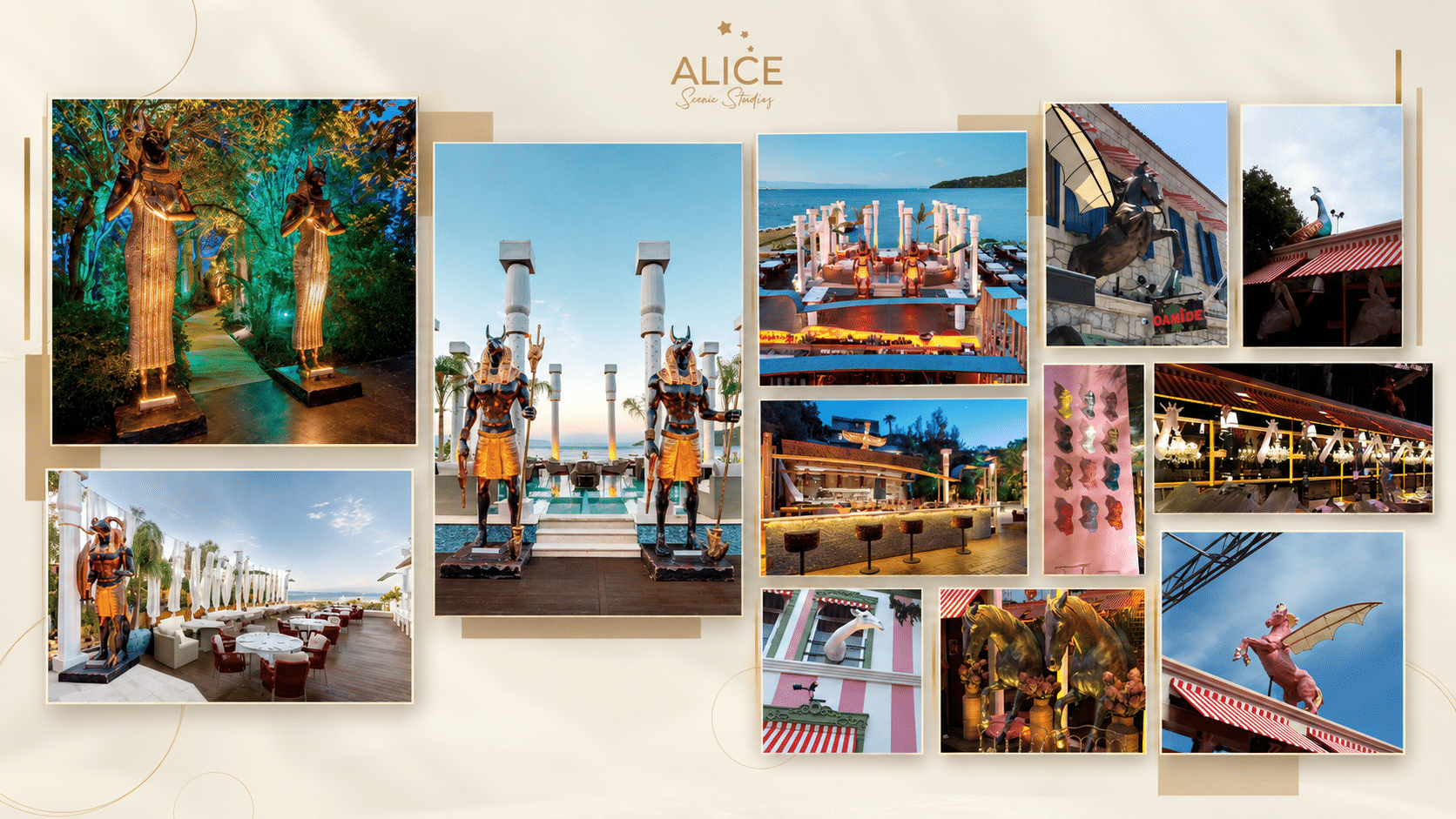
Why Fiberglass Is a Smart Choice for Large-Scale Custom Scenic Structures?
Large scenic pieces have to balance competing needs. They need enough strength to hold their form, enough lightness to be moved and installed, and enough surface quality to take detailed paint finishes.Fiberglass-reinforced plastic (FRP) is often chosen for scenic structures because it can offer a useful balance of weight, surface detail, and design flexibility, depending on the component’s specifications and intended use.
This guide explains where fiberglass manufacturing for large-scale scenic structures makes sense, how the different processes involved work, and how to choose between fiberglass and other methods.
Why Fiberglass Suits Large Scenic Pieces
Fiberglass is popular for fiberglass scenic structures for practical reasons:
- Favorable strength-to-weight ratio: Large forms can be built hollow and relatively lightweight, helping with handling and shipping. The required strength, reinforcement, and mounting arrangements depend on the design and intended use.
- Surface quality: A well-made surface is smooth and takes paint, polycoating, and scenic finishes well, so fine detail can show.
- Freedom of form: Curved, sculpted, and organic shapes, such as characters, rock formations, and facade elements, are well suited to the material.
- Repeatability: When a shape is molded, multiple matching pieces can be produced.
Four Processes That Are Often Confused
“Fiberglass fabrication” is often used as a single term, but it covers several different processes. Knowing the difference helps when you write a brief or compare quotes.
| Process | What it is | Typical purpose |
| Pattern (master) making | Creating the original positive shape, by hand sculpting, CNC milling, or 3D printing | Defines the form that will be reproduced |
| Mold making | Taking a negative form from the pattern | Allows the shape to be reproduced, once or many times |
| FRP lamination | Building up layers of glass-fiber reinforcement and resin, usually in a mold, to form a shell | Large, hollow, lightweight pieces such as facades and sculptures |
| Casting | Pouring liquid resin, such as polyurethane or polyester, into a mold to form a part | Smaller or more detailed rigid or flexible components |
A fifth method is also common for very large sculpture: EPS foam carving with an FRP shell. Here the form is carved directly from foam and then coated with an FRP skin, so no mold is needed. It suits one-off large forms, whereas molds make more sense when pieces repeat.
Choosing the Right Method for the Piece
There is no single best method. These questions usually decide it:
- How many identical pieces are needed? Repeated pieces justify the cost of molds. A single large sculpture may not.
- How large and how heavy can the piece be? Large hollow forms usually point toward lamination or foam-and-shell construction.
- How fine is the detail? Small, detailed parts often suit casting.
- Will it be touched, climbed on, or only viewed? This affects wall thickness, internal support, and finish.
- Where will it live? Indoor, outdoor, and seasonal uses have different requirements.
Sometimes the best answer is a combination, such as a laminated shell with cast detail parts, or fiberglass over a steel or timber support frame. For projects involving large themed structures, understanding how fiberglass supports durability and scale is essential. Read more about how fiberglass fabrication creates durable large-scale attractions.
Prototypes and Approvals
A physical prototype is a way to check form, surface detail, and scale before full production. We produce one when the project calls for it, for example when a character design is complex, a finish needs to be approved on a real surface, or many pieces will be reproduced from one mold. Not every project needs a prototype, and where digital models, samples, or sculpt reviews are enough, they may be used instead. Which approvals apply is worth agreeing on at the start.
Fiberglass for Outdoor Scenic Fabrication
Fiberglass is often used for outdoor scenic fabrication because the material itself does not rust or rot in the way some others do. But how a piece performs outdoors depends on several factors working together:
- Materials: The resins, gel coats, and paints chosen for the exposure.
- Engineering: Wall thickness, internal supports, and how the piece is anchored.
- Coatings and finishes: Polycoating, gel coat, and paint systems that suit the climate, including sun and moisture.
- Installation conditions: Ground conditions, drainage, wind exposure, and how the piece is mounted.
- Maintenance: Regular inspection, cleaning, and repainting or recoating over time.
Outdoor projects require careful consideration of materials, surface finishes, and long-term exposure. Explore our guide to fiberglass fabrication for outdoor attractions for more information.
Where Fiberglass Fits Best
Typical applications include:
- Character and figure sculptures, with smooth, paintable surfaces over internal supports
- Facades and large-format panels for themed environments, retail, and hospitality
- Themed attraction elements, such as decorative rockwork, entrance features, and set pieces
- Decorative components and scenic structures for museums, exhibits, and public spaces
- Seasonal and holiday sculptures for malls and outdoor displays
- Decorative urban furniture, designed for the site’s conditions
Discover more common applications of fiberglass fabrication to explore its versatility.
Planning for Transport and Assembly
Large pieces rarely travel whole. During technical development, we look at:
- How the piece can be divided into sections that fit transport and building access
- Where seams will fall and how they will be finished
- How sections will be labeled, sequenced, and fixed in place
Installation scope varies by project, from supplying finished elements to supporting on-site assembly, so it should be defined in the agreement.Explore our scenic fabrication services to learn more about our custom scenic production capabilities.
What to Include in a Fiberglass Brief
To help a fabricator advise on method and pricing, consider sharing:
- Approved designs, references, and finish samples
- Quantity, overall size, and any weight limits
- Indoor or outdoor use, climate, and expected lifespan
- Whether the piece will be touched or climbed on
- Any load, code, or safety requirements, and who is responsible for them
- Access, shipping, and installation constraints
Final Thoughts
Fiberglass can be an excellent material for large scenic pieces when the process, engineering, and finish are matched to the piece. Understanding the difference between pattern making, molding, lamination, and casting helps you ask better questions and get more accurate answers.
Our fiberglass work is produced at a dedicated 16,000 sq ft molding and FRP workshop in Istanbul, Turkey. If you are planning a large build, learn more about our fiberglass manufacturing for large-scale scenic structures, or contact Alice Scenic Studios to discuss your project.
Frequently Asked Questions
1. What is FRP?
FRP stands for fiberglass-reinforced plastic, a composite of glass-fiber reinforcement and resin. It is widely used for lightweight shells such as facades, sculptures, and panels. Performance depends on the materials, construction, and finishes used.
2. What is the difference between molding, lamination, and casting?
Molding is making the negative form from a master pattern. Lamination is building up fiberglass and resin layers, usually in a mold, to form a shell. Casting is pouring liquid resin, such as polyurethane or polyester, into a mold to form a part. Each suits different shapes, sizes, and quantities.
3. Do you build a prototype before making the final piece?
When the project requires it. A prototype is useful for complex designs, important finishes, or repeated production. For simpler projects, other approvals such as samples or digital reviews may be enough.
4. Can fiberglass pieces be painted to look like stone, wood, or aged surfaces?
Yes. Scenic finishes can include polycoating, gel coat, hand-painted layers, and weathered patinas. The right finish system depends on whether the piece is indoors or outdoors and how it will be used.
5. Is fiberglass suitable for outdoor use?
It can be, but durability depends on the materials, engineering, coatings, installation conditions, and maintenance. We recommend discussing the site and expected lifespan early.