

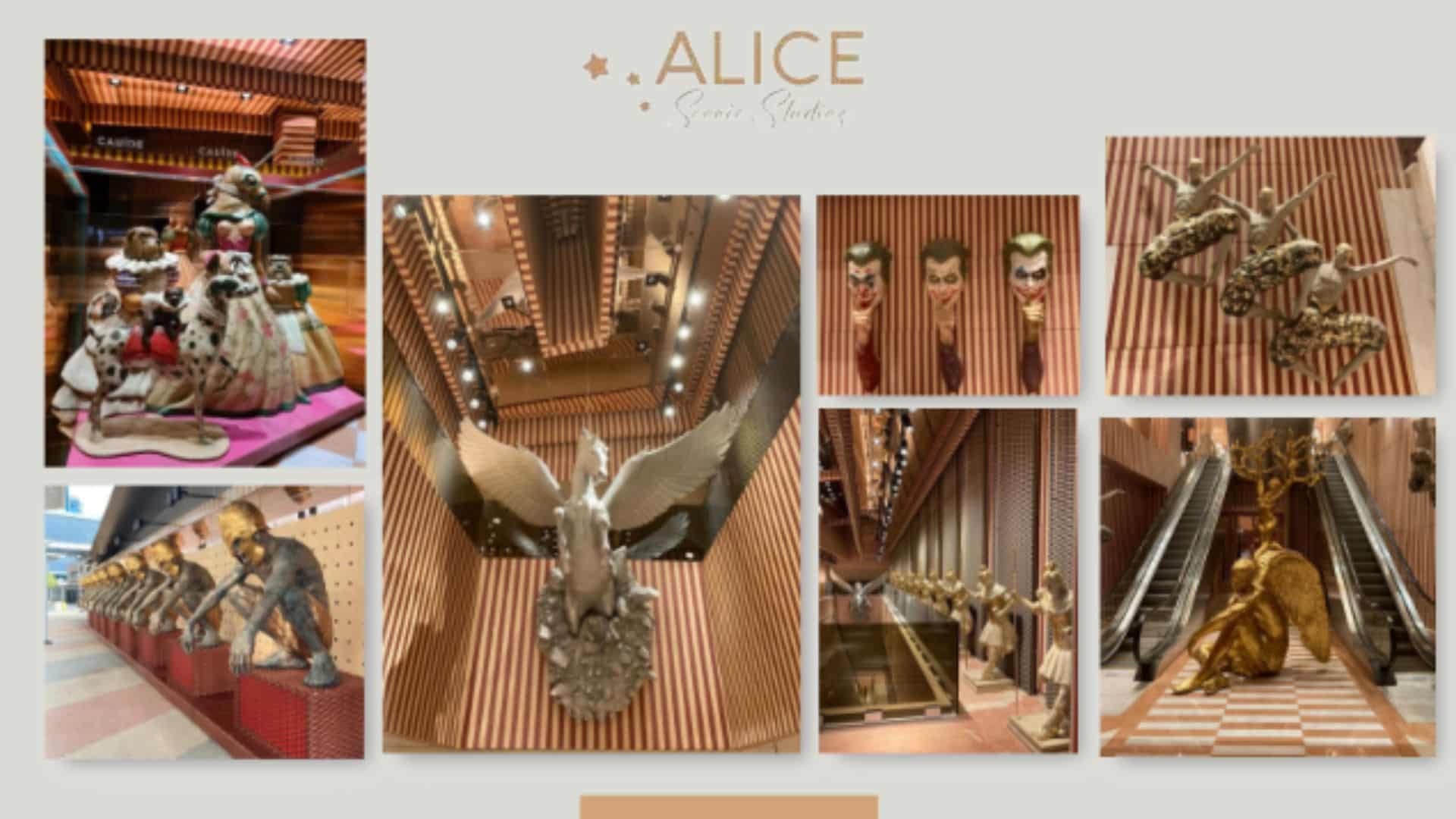
How Fiberglass Fabrication Helps Create Durable Large-Scale Attractions
Large attractions face a problem that most materials cannot solve. They need to be big, detailed, and light enough to install safely, while also standing up to years of weather, foot traffic, and daily wear. This is exactly why fiberglass fabrication has become the go-to choice for theme parks, museums, and outdoor installations that need to look impressive without falling apart.
A giant character sculpture, a themed rock formation, or a decorative facade cannot be built from solid wood or heavy concrete and still be practical to install. Fiberglass solves this by offering strength and detail in a package light enough to ship, lift, and mount without extra structural support.
Why Large Attractions Need a Different Kind of Material
Big scenic pieces come with big problems. Weight makes installation harder, weather causes damage over time, and complex shapes are difficult to reproduce accurately at scale.
Common challenges with traditional materials include:
- Heavy structures that require expensive lifting equipment and reinforced supports
- Wood and plaster that warp, crack, or rot when exposed to outdoor conditions
- Limited ability to capture fine sculptural detail on a large scale
- High costs when producing multiple identical pieces
Fiberglass fabrication addresses each of these issues directly, which is why it shows up so often in theme park sculptures, museum environments, and large architectural facades.
Lightweight Construction Without Losing Strength
One of the biggest advantages of fiberglass is how much weight it saves compared to traditional building materials. A large sculpture that would be nearly impossible to move in solid form becomes manageable once built with fiberglass-reinforced plastic.
This lighter weight brings real benefits:
- Easier transport, especially for pieces shipped across long distances
- Reduced need for heavy support structures underneath large installations
- Faster on-site assembly since crews are not managing excessive weight
- Lower overall installation costs due to simpler rigging and handling
Capturing Intricate Shapes and Fine Detail
Large attractions often need highly detailed surfaces, from textured rock formations to lifelike character sculptures. Achieving that level of detail at scale requires a precise mold-making process.
The process for custom fiberglass fabrication includes:
- Building an accurate master pattern using CNC milling or 3D-printed models
- Creating a mold that captures every curve, texture, and dimensional detail
- Producing a physical prototype so the design can be approved before full production
- Casting the final piece using polyurethane or polyester materials for strong surface accuracy
This process allows the same level of detail to be reproduced consistently, whether a project needs one hero piece or dozens of identical units for a themed attraction.
Weather Resistance That Protects Long-Term Investments
Outdoor attractions face sun, rain, wind, and temperature swings all year long. Materials that cannot handle these conditions end up cracking, fading, or breaking down within a few seasons.
Fiberglass performs well outdoors because it:
- Resists warping and structural failure from repeated temperature changes
- Holds up under direct sun exposure without weakening over time
- Handles rain and humidity without rotting or absorbing moisture
- Maintains its shape even after years of continuous outdoor use
This durability is part of why urban furniture, holiday installations, and permanent outdoor sculptures are so often built using fiberglass rather than wood or plaster.
Finishes That Make Fiberglass Look Convincing
A strong structure means little if the surface does not look believable. Fiberglass pieces rely heavily on layered finishing work to achieve realistic textures and lasting color.
Common finishing techniques include:
- Gel coat applications for smooth, paintable surfaces
- Hand-applied scenic paint for texture, depth, and character detail
- Polycoating for added surface protection in high-traffic areas
- Weathered patinas that give new pieces an aged, natural appearance
These finishing steps are what turn a technically strong fiberglass shell into something guests believe is stone, wood, or metal from a few feet away.
Where Fiberglass Fabrication Makes the Biggest Difference
Fiberglass shows up across a wide range of large-scale attraction work, each with its own demands on strength, detail, and finish.
Applications include:
- Character and figure sculptures with smooth, paintable surfaces and internal support armatures
- Architectural facades and decorative panels for themed environments and retail spaces
- Structural ride and attraction elements built to meet load and safety requirements
- Outdoor urban furniture and seasonal installations designed for long-term exposure
Across all of these, fiberglass fabrication services are built around matching the material’s weight, durability, and finish to the specific demands of where the piece will live.
Built for Shipping, Assembly, and Long-Term Use
A large fiberglass piece is not much use if it cannot make it from the workshop to the final site in one piece. Planning for logistics has to happen early in the design process.
Smart planning for large-scale pieces includes:
- Engineering sections that break down for efficient shipping
- Designing connection points that reassemble cleanly on site
- Coordinating on-site assembly teams to handle installation without damage
- Testing structural integrity before a piece ever leaves the workshop
Why Fiberglass Remains the Smart Long-Term Choice
When comparing lifetime cost rather than upfront price, fiberglass often wins out over heavier or less durable materials. It requires less maintenance, holds its finish longer, and rarely needs structural repairs.
Long-term advantages include:
- Lower maintenance costs compared to wood or plaster alternatives
- Extended lifespan even in harsh outdoor environments
- Consistent appearance year after year with minimal touch-ups
- Better return on investment for large, high-visibility installations
For attractions meant to stay in place for years, this combination of durability and low upkeep makes a real difference in total cost over time.
Bringing Strength and Detail Together
Large-scale attractions demand a material that can do two things at once, hold up structurally and look convincing up close. Fiberglass delivers both, combining lightweight construction with the ability to capture fine detail and survive years of outdoor exposure.
Fiberglass fabrication is the material of choice for theme parks, museums, and public spaces that need scenic elements built to last without compromising on visual impact.
Looking to bring a large-scale sculpture, facade, or outdoor installation to life? Connect with Alice Scenic Studios, and let’s build something that looks stunning and lasts for years.
FAQs
- Why is fiberglass suitable for large-scale attractions?
Fiberglass combines lightweight with high strength, making it easier to transport and install large pieces without heavy support structures. It also holds fine detail well, which large sculptures and facades often require. - How is fiberglass used in attraction fabrication?
It is used to build character sculptures, themed facades, ride components, and outdoor installations. The process starts with a mold built from a precise master pattern, followed by casting, finishing, and on-site assembly. - What makes fiberglass a durable material for scenic attractions?
Fiberglass resists warping, cracking, and moisture damage, which allows it to hold its shape and finish through years of outdoor exposure and heavy foot traffic. - Can fiberglass fabrication replicate natural textures like stone or wood?
Yes, molds combined with hand-applied scenic paint and weathered finishing techniques can closely replicate natural textures, giving fiberglass pieces a convincing, realistic appearance. - Is fiberglass a cost-effective option for large attraction projects?
Over time, yes. Lower maintenance needs, longer lifespan, and reduced installation costs often make fiberglass more economical than heavier or less durable alternatives.