

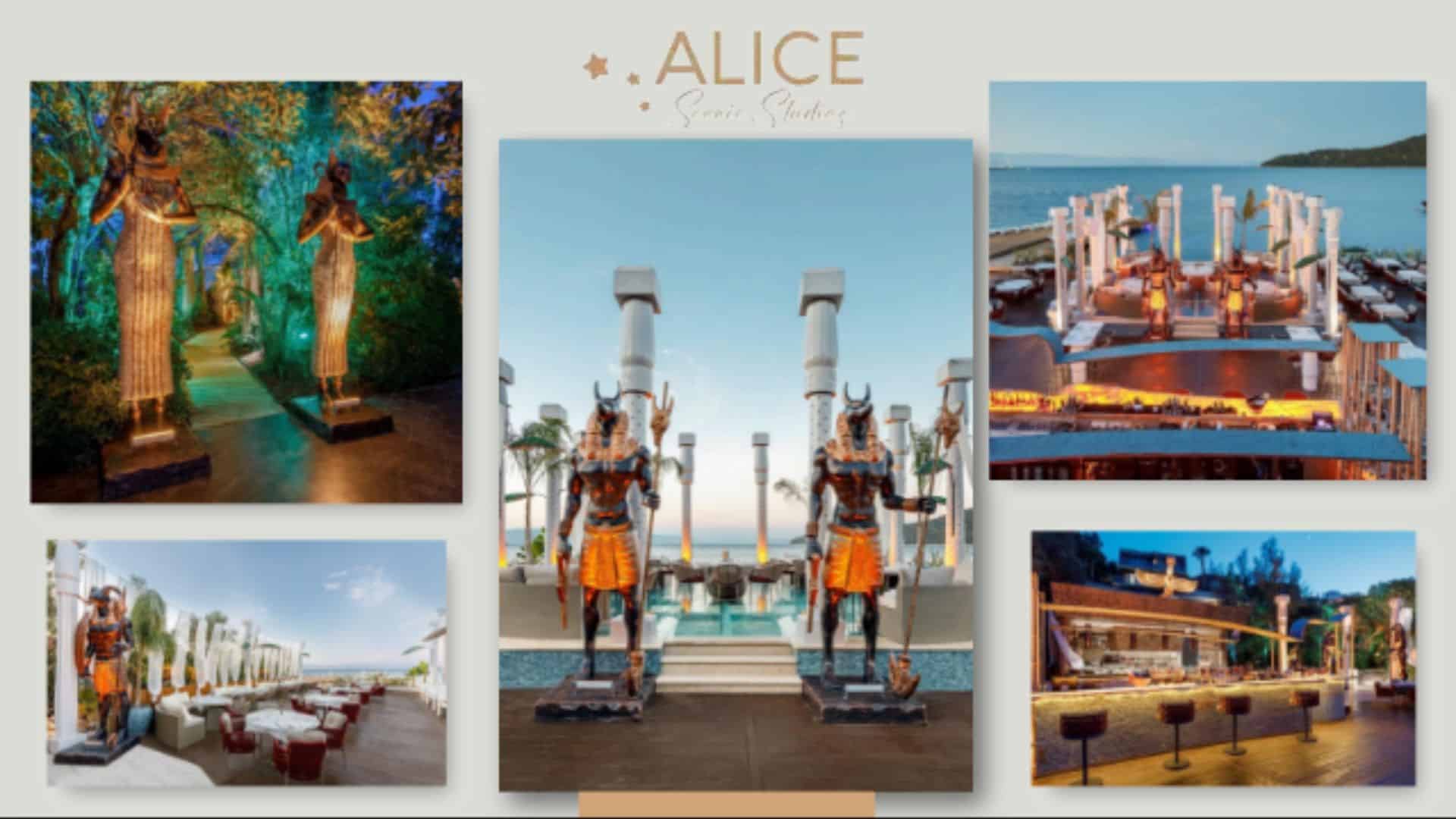
How Custom Scenic Fabrication for Events Creates Unforgettable Guest Experiences
Most guests forget the small talk at an event within a week. What they remember is how the space made them feel the moment they walked in. This is where custom scenic fabrication comes in, turning a plain room, tent, or hall into a branded world that guests want to explore and photograph.
An ordinary event space has tables, lighting, and signage. A fabricated event space has a story built into every wall, backdrop, and structure. Guests do not just attend the event; they walk through it, touch it, and remember it long after the lights go down.
Why Ordinary Event Spaces Fall Flat
A rented venue is a blank canvas, not an experience. Without custom elements, most spaces end up looking like every other conference hall or ballroom guests have already seen a dozen times.
Common problems with generic event setups include:
- Backdrops that look flat under photography lighting
- Branding limited to banners and floor stickers
- No sense of movement or story as guests walk through the space
- Nothing that guests feel compelled to photograph or share
Backdrops and Photo Moments That Actually Get Shared
Every brand wants guests posting from their event, but a plain step-and-repeat banner rarely earns a second look. A sculpted, three-dimensional backdrop changes that completely.
Strong photo-worthy backdrops usually include:
- Layered depth using carpentry and structural framing instead of a flat printed panel
- Sculpted or textured surfaces built with fiberglass and molding techniques for a premium look
- Lighting integrated directly into the structure so photos look polished without extra setup
- Branding worked into the physical build rather than printed on top of it
These builds come from the same woodworking, metalwork, and sculpting disciplines used across Alice Scenic Studios‘ broader fabrication work, applied specifically to create a moment guests want to capture.
Themed Structures That Set the Tone Instantly
The right structure can tell guests exactly what kind of event they are stepping into before a single word is spoken. Archways, portals, and framed entrances do this job well.
Themed structures for events involve:
- Custom-built entryways that frame the space and set expectations
- Architectural detailing that matches the brand or event theme
- Scaled elements that feel impressive without overwhelming the venue
- Modular designs that can be broken down and reused for future events
This is where scenic fabrication shifts from decoration to design, since the structure becomes part of the guest journey rather than a background piece.
Interactive Installations That Keep Guests Engaged
A static display holds attention for a few seconds. An interactive one holds it for minutes, sometimes longer, especially when guests can touch, move through, or physically engage with it.
Interactive elements built into event environments can include:
- Walk-through installations that guide guests along a themed path
- Touch-activated lighting or sound built into the structure
- Sculpted characters or props that create a natural photo backdrop
- Modular zones that let guests explore at their own pace
Branded Environments Instead of Branded Signage
Signage tells guests whose event they are at. A branded environment shows them. That difference is what makes custom scenic fabrication so valuable for corporate launches, activations, and experiential marketing events.
A fully branded environment can include:
- Custom millwork shaped to reflect a product or brand identity
- Color palettes and finishes matched precisely to brand guidelines
- Structural elements shaped like logos, products, or brand icons
- Consistent detailing across every zone of the event
This approach borrows directly from custom exhibit fabrication techniques used in museum and showcase work, where every surface has to communicate the same message clearly and consistently.
Materials That Hold Up Under Event Conditions
Events move fast. Setup and teardown windows are tight, guest traffic is heavy, and structures often need to be reused across multiple events. Material choice matters just as much here as it does in permanent builds.
Materials commonly used for event fabrication include:
- Fiberglass-reinforced plastic for lightweight, durable sculptural pieces
- Precision-cut wood and composite panels for structural frameworks
- Metal framing for load-bearing or large-scale installations
- Scenic paint and finishing techniques that hold up under stage lighting and flash photography
Because these materials are produced using CNC machining, mold making, and in-house metalwork, event pieces come out consistent, durable, and ready for repeat use season after season.
Why Guests Remember Fabricated Environments Longer
People do not remember flyers or table centerpieces. They remember the moment they walked through a themed archway or stood in front of a sculpted backdrop that felt made just for that event.
Fabricated environments create memory through:
- Physical scale that photographs and video simply cannot match
- Texture and detail that reward close-up attention
- A sense of story that unfolds as guests move through the space
- Consistency between branding, structure, and lighting
This is the real value behind custom scenic fabrication for events. It turns a temporary space into something guests associate directly with the brand hosting it, long after the event ends.
Planning a Fabricated Event Environment
Getting the most out of event fabrication starts well before the event date. A clear planning process helps avoid last-minute compromises.
Key planning steps include:
- Defining the guest journey from entry to exit
- Choosing which zones deserve custom builds versus simpler decor
- Confirming material and finish choices against the venue’s setup timeline
- Planning for teardown, storage, and potential reuse at future events
Working with a team that handles design, fabrication, and installation under one roof keeps this process efficient and reduces the risk of pieces not fitting together on event day.
The Bottom Line
An event space becomes memorable when every structure, backdrop, and detail works toward the same story. Custom scenic fabrication makes that possible by combining carpentry, sculpting, paint, and technology into one coordinated build instead of scattered rental pieces.
When guests walk into a space that feels considered down to the last detail, they stay longer, engage more, and remember the brand behind it. That is the difference between an event people attend and one they talk about afterward.
Get in touch with Alice Scenic Studios, and let’s design a custom environment that turns your event into an experience.
FAQs
- How does custom scenic fabrication improve event experiences?
It replaces generic rental decor with structures, backdrops, and installations built specifically for the event’s theme and brand. This creates a cohesive environment that guests notice, engage with, and remember. - What can a scenic fabrication company create for events?
A scenic fabrication company can build custom backdrops, themed archways, interactive installations, branded structures, and sculpted décor using carpentry, metalwork, fiberglass, and paint finishing under one process. - Why use custom scenic fabrication for an event?
Custom builds create a stronger visual identity than standard rentals, give guests more photo-worthy moments, and reinforce brand messaging through the physical space itself rather than just signage. - Can event fabrication pieces be reused for future events?
Yes, many structures and installations are built with modular components, allowing them to be disassembled, stored, and reconfigured for future events instead of being discarded after one use. - How far in advance should event fabrication be planned?
Most custom builds need several weeks to months of lead time, depending on scale and complexity, since design, fabrication, and testing all happen before the installation phase begins.