

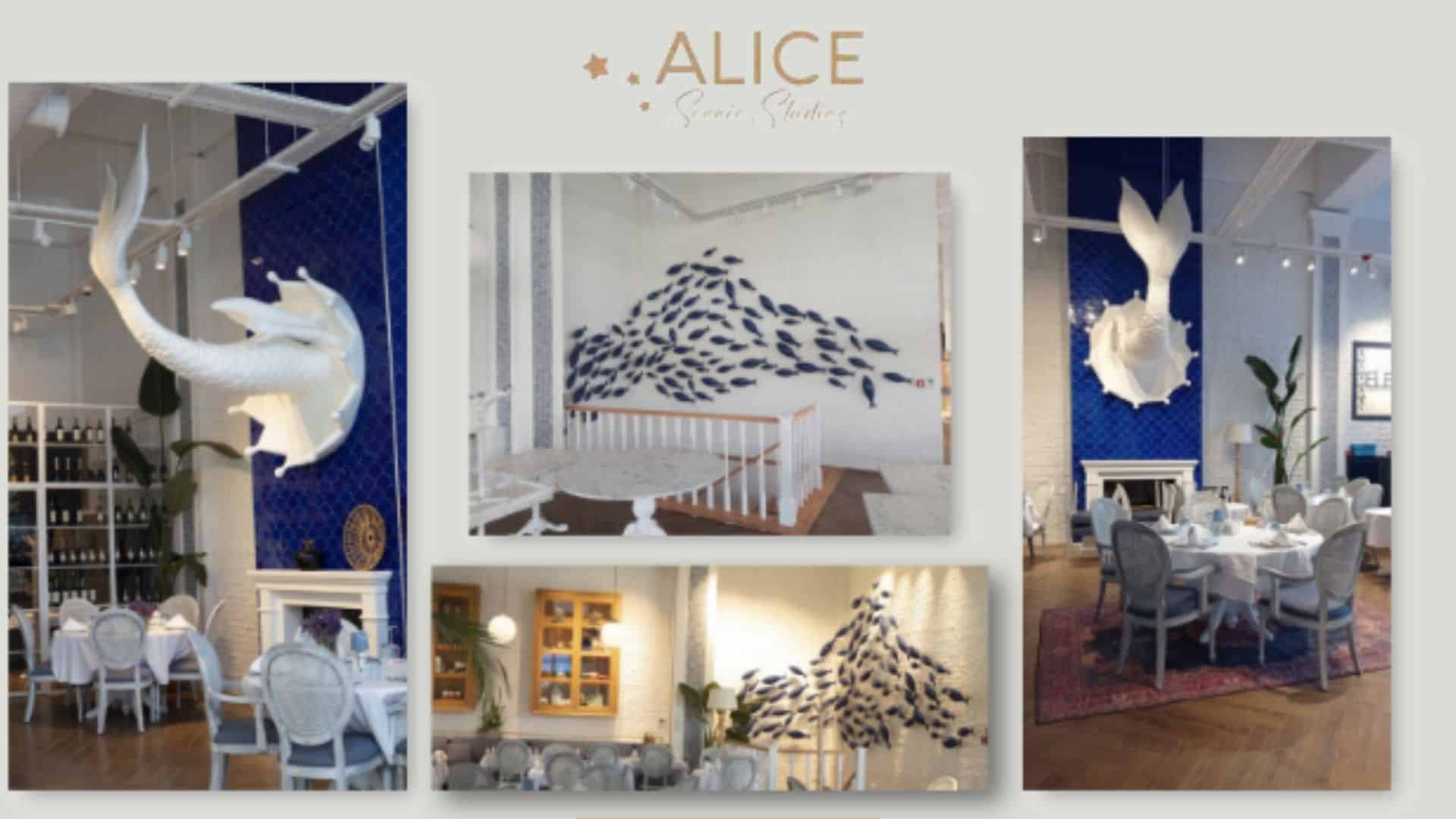
Themed Environment Fabrication: Key Elements That Make an Attraction Feel Authentic
Walking into a truly immersive attraction feels different from walking into an ordinary room. This shift happens through themed environment fabrication, the process of building spaces that tell a story through every surface, structure, and detail. The lighting shifts, the textures pull you in, and every corner feels like it belongs to something bigger.
This blog breaks down the details, materials, textures, scale, architecture, colors, and finishes.
The Role of Concept and Story Before Any Building Begins
Before a single board is cut or a panel is sculpted, the story needs to be locked in. Skipping this step is one of the most common reasons themed spaces feel disconnected.
A strong process for custom-themed environment fabrication includes:
-
- Master planning and experience design, mapping how visitors move from entry to exit, so the narrative unfolds naturally
- Concept illustration and 3D visualization, giving stakeholders a clear picture before materials are chosen
- Material and finish specification, matching the right materials to the right budget without losing visual richness
- Technical production drawings, documenting every structural and scenic element before fabrication starts
Materials: The Foundation of Believability
Materials carry more weight in immersive design than most people realize. The wrong material choice can make an expensive build look cheap, while the right one can make a modest budget feel luxurious.
Common material considerations in scenic fabrication include:
-
- Fiberglass-reinforced plastic (FRP) for sculpted characters, rock formations, trees, and large decorative elements that need to last through heavy daily use
- Structural carpentry and millwork for facades, portals, and architectural framing that need precision and strength
- Metalwork for support structures and detailing that require durability without adding unnecessary bulk
- Specialty paints and coatings that protect surfaces while adding depth and realism
Texture and Finish: Where the Magic Happens
If materials are the bones of a themed environment, texture and finish are the skin. This is often the most underestimated part of the process, yet it makes the biggest difference in how real a space feels.
Layered, hand-applied finishes separate a flat, painted surface from something that looks aged, weathered, or naturally formed:
-
- Hand-textured surfaces that mimic stone, wood grain, bark, or rusted metal
- Aging and distressing techniques that add history and depth to a surface
- Multi-layer paint applications that create shadow, highlight, and dimension
- Sealants and protective coatings that keep the finish looking fresh under daily use
Scale and Proportion: Getting the Feel Right
Scale is one of those details that visitors rarely notice consciously, but they feel it immediately when it is wrong. A doorway that is too tall, a tree that is too small, or a facade that feels compressed can throw off an entire environment.
Proportion matters most when:
-
- Designing entry points and portals that set expectations for the space beyond
- Building character sculptures or landscape features that need to feel natural next to real people
- Creating queue areas where visitors interact closely with themed structures
- Matching architectural elements to the surrounding building or attraction
Architectural Elements That Anchor the Story
Facades, portals, and structural detailing give an environment its backbone. These elements set the tone the moment a visitor enters and continue reinforcing the theme throughout the space.
Strong architectural detailing includes:
-
- Themed facades that establish the world before visitors step inside
- Portals and archways that frame transitions between different zones
- Interior structural elements that carry the theme into every corner, not just the entrance
- Detailing that matches the period, culture, or fantasy setting being represented
Color: The Emotional Layer
Color sets mood, signals safety or danger, and helps guide visitors through a space without a single word of signage.
A well-planned color strategy considers:
-
- How lighting will interact with painted surfaces throughout the day
- Which colors reinforce the theme versus which ones feel out of place
- How weathering and aging effects should shift the base color palette
- Consistency across materials, since paint reads differently on wood, metal, and fiberglass
Technology and AV Integration
Modern immersive attractions rely on more than physical construction alone. Lighting systems, projection surfaces, sound design infrastructure, and interactive features are now expected in many themed spaces.
Integrating these systems well means building them into the structure from the start:
-
- Lighting is designed to enhance texture and depth rather than flatten it
- Projection surfaces that are structurally sound and properly angled
- Sound infrastructure hidden within the scenic build
- Interactive elements that respond naturally without breaking the illusion
When AV integration is planned alongside the physical build, the technology supports the story instead of competing with it.
Durability: Built to Last Under Real-World Conditions
An authentic-looking environment means little if it cannot survive daily use. Theme parks, retail spaces, and hospitality venues each put different kinds of stress on themed builds.
Durability considerations include:
-
- Withstanding thousands of daily visitors without surface damage
- Handling outdoor exposure, including sun, rain, and temperature shifts
- Resisting wear from constant touching, especially in interactive zones
- Maintaining color and texture integrity over years
This is why material selection and finish application need to be planned with longevity in mind from day one.
Installation: Where Every Detail Comes Together
Even the best design and fabrication work can fall short without careful installation. On-site coordination ensures every scenic element fits correctly, every system is tested, and the space functions as intended before opening day.
A thorough installation process involves:
-
- Coordinating with construction and operations teams on site
- Testing every AV and interactive system before handover
- Verifying that finishes and textures translate correctly under real lighting conditions
- Confirming that every structural element meets safety and durability standards
A project is not truly finished until every piece works together, from the first portal a visitor walks through to the smallest textured detail in the background.
You can also read: Theme Park Design Trends Shaping the Future of Immersive Entertainment
The Bottom Line
Themed environment fabrication succeeds when every discipline, from concept design to final installation, is treated as part of one coordinated vision rather than separate tasks. That is what allows a space to move beyond function and become a world worth stepping into.
Reach out to Alice Scenic Studios, and let’s bring your next themed environment to life.
FAQs
-
- What makes a themed environment feel authentic?
Authenticity comes from consistency across materials, textures, scale, and story. When every surface and structure reinforces the same narrative, visitors stop noticing individual elements and start experiencing the space as a whole. - What elements are used in themed environment fabrication?
Common elements include structural carpentry, FRP sculpting, scenic painting, architectural facades, wayfinding graphics, and AV or interactive system integration. These pieces are built together so the final environment feels unified. - How do materials and finishes improve an immersive attraction?
The right materials provide durability under heavy daily use, while layered finishes add texture, age, and depth. Together, they prevent surfaces from looking flat or artificial, which keeps the illusion intact up close. - How long does a themed environment fabrication project take?
Timelines vary based on scale and complexity, but most projects move through concept design, fabrication, and installation in phases. Detailed planning upfront usually reduces delays during the build stage. - Can existing spaces be updated with themed environment fabrication instead of starting from scratch?
Yes, many retail, hospitality, and attraction spaces incorporate themed elements into existing structures. Facades, sculpted features, and finishes can be added without a full renovation, making updates more cost-effective.
- What makes a themed environment feel authentic?