

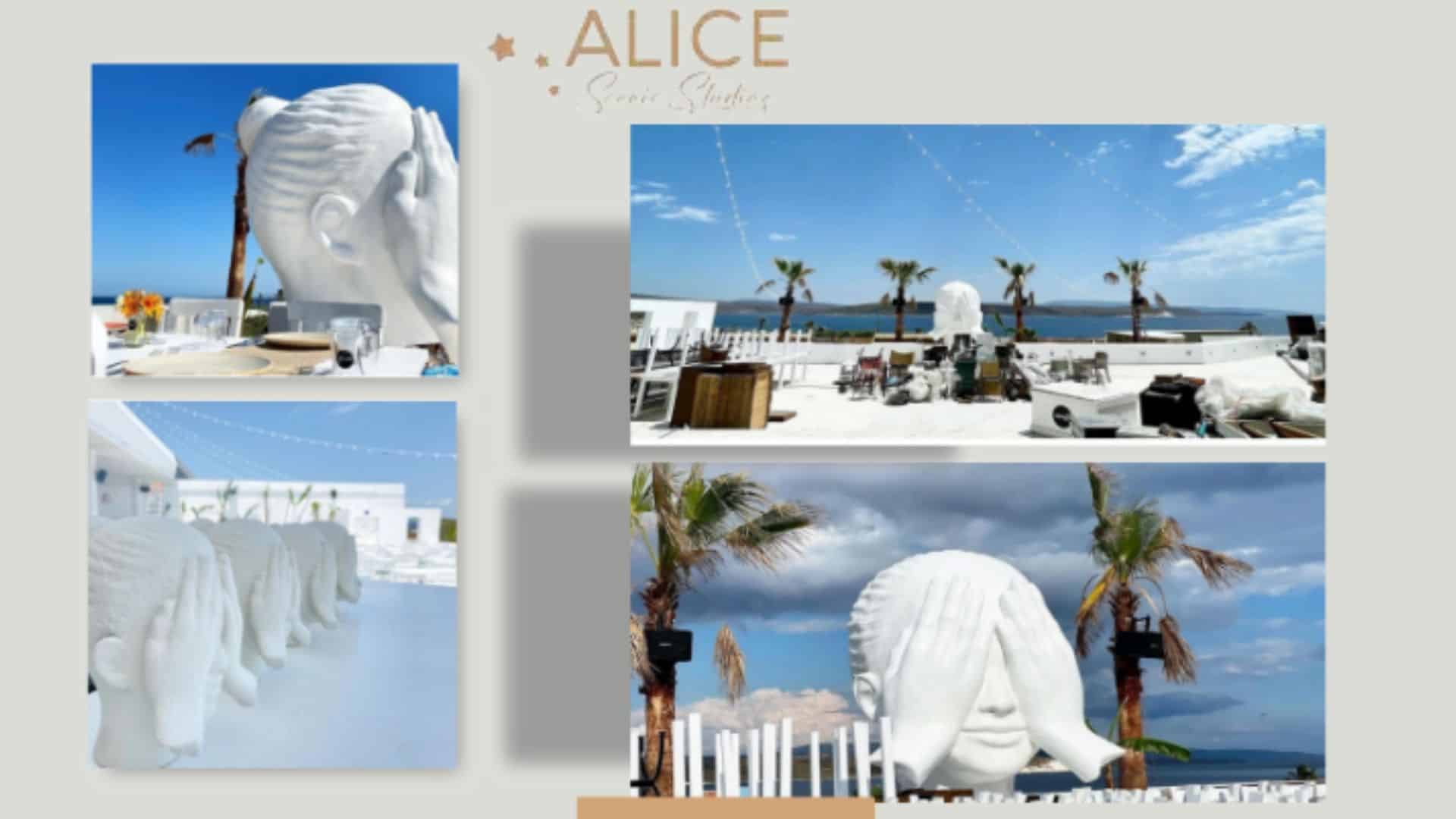
Fiberglass Fabrication for Outdoor Attractions: Designing for Strength, Detail, and Longevity
Outdoor attractions take a beating. Sun, rain, wind, and temperature swings all work against anything left outside for years. That’s why fiberglass fabrication has become the go-to choice for theme parks, museums, and public spaces that need sculptures, facades, and structures built to last.
If you’ve ever wondered why so many theme park characters, architectural facades, and seasonal displays are made from fiberglass instead of wood or metal, this blog breaks it down.
Why Fiberglass Holds Up So Well Outdoors
Fiberglass-reinforced plastic, or FRP, is built by layering resin and glass fibers into a shape formed by a mold. This process creates a shell that is both strong and weather-resistant, which is exactly why fiberglass fabrication works so well for things left outside all year.
-
It Resists Water, UV Rays, and Temperature Swings
Fiberglass doesn’t rot, rust, or absorb water the way wood and metal do. When finished with the right scenic paint and polycoating, it also resists UV fading, so colors stay bright even after seasons of direct sun. This makes it ideal for outdoor holiday installations, park sculptures, and facades that need to look fresh year after year.
-
It’s Lightweight Without Being Fragile
One of the biggest advantages of fiberglass is how light it is compared to its strength. A large character sculpture or architectural panel made from fiberglass weighs far less than one made from stone or metal, which makes installation, transport, and structural support much easier. Lighter pieces also mean less strain on the buildings or platforms they’re mounted to.
-
It Can Be Molded Into Almost Any Shape
Because fiberglass starts as a liquid resin poured into a mold, it can capture incredibly fine detail. Wrinkles on a character’s face, texture on a themed rock formation, or the sharp lines of an architectural panel can all be reproduced with precision. This is where custom fiberglass fabrication really shines, since every mold can be built to match an exact design, down to the smallest detail.
How Fiberglass Fabrication Actually Works
Getting from a concept sketch to a finished outdoor piece takes several steps, and each one matters for durability.
-
Mold Making and Prototyping
Every fiberglass project starts with an accurate mold. Skilled fabrication teams use 3D modeling, CNC-milled master patterns, and 3D-printed models to make sure the mold captures every curve exactly as designed. This step alone saves a lot of time and prevents costly revisions later in the process.
-
Casting and Shell Building
Once the mold is ready, polyurethane and polyester casting bring the piece to life. For large-scale sculptures, EPS foam carving is often combined with an FRP shell coating, which gives the piece a strong outer layer while keeping the overall weight manageable. This combination is common in large character fabrication and big architectural elements found at theme parks and public plazas.
-
Surface Finishing and Scenic Paint
A fiberglass piece is only as good as its finish. Scenic paint, gel coat, hand-painted detailing, and weathered patina finishes all add depth, texture, and realism to the surface. These finishes aren’t just for looks either. A properly sealed and coated surface protects the fiberglass underneath from sun damage and moisture, which extends the life of the piece by years.
-
Shipping, Assembly, and On-Site Installation
Large outdoor pieces rarely travel in one piece. Well-planned fiberglass fabrication services design elements to break down into sections that pack efficiently and reassemble cleanly on site. This means a massive themed facade or sculpture can be built in a workshop, shipped across the country, and installed without losing any of its original detail or structural integrity.
Where Fiberglass Fabrication Services Are Used
Fiberglass isn’t limited to one type of project. It shows up across a wide range of outdoor and themed environments, including:
- Theme park character and figure sculptures
- Architectural facades and decorative panels
- Themed attraction elements and scenic components
- Museum exhibit pieces and dioramas
- Urban furniture and public plaza installations
- Outdoor holiday and seasonal decor
Each of these applications has different needs. A ride component needs to meet strict load and safety requirements, while a seasonal decoration needs to survive freezing temperatures and heavy foot traffic. Good fiberglass fabrication work is built around the specific demands of where the piece will actually live.
What Makes Fiberglass a Smart Long-Term Investment
Outdoor attractions are expensive to build and even more expensive to constantly repair or replace. Fiberglass reduces that long-term cost in a few ways.
-
Less Maintenance Over Time
Because fiberglass resists water damage, rust, and rot, it needs far less upkeep than wood or metal alternatives. A well-built piece with proper polycoating can go years without needing major repairs.
-
Structural Reliability
Fiberglass shells built with strong internal armatures hold their shape under wind load and physical contact from visitors. This matters a lot for pieces placed in high-traffic public areas where people touch, lean on, or climb near the structure.
-
Design Flexibility for Repeat Use
For projects that need multiple identical pieces, whether that’s a row of matching urban furniture or several copies of the same character sculpture, molds can be engineered for repeated use without losing surface quality. This makes large-scale rollouts far more cost-effective than building each piece from scratch.
Conclusion
Outdoor attractions demand a material that can survive the elements without sacrificing detail or design freedom. That combination of strength, light weight, and precision is exactly why fiberglass fabrication remains the top choice for theme parks, museums, and public installations across the country.
If you’re planning an outdoor sculpture, facade, or themed installation and want a team that handles everything from mold making to on-site installation, Alice Scenic Studios can bring your project to life with custom fiberglass work built for the long haul. Reach out to start the conversation on your next build.
Frequently Asked Questions
- Why is fiberglass used for outdoor attractions?
Fiberglass is used because it holds up against sun, rain, and temperature changes without rotting or rusting like wood or metal. It’s also light enough to make transport and installation easier, while still being strong enough to handle years of outdoor exposure. - How durable is fiberglass for outdoor scenic structures?
Fiberglass is highly durable when properly finished with scenic paint and polycoating. It resists cracking, fading, and water damage, which allows outdoor sculptures and facades to stay structurally sound and visually sharp for many years with minimal maintenance. - What are the benefits of fiberglass fabrication for outdoor attractions?
The main benefits are weather resistance, light weight, and the ability to capture fine detail through molding. This combination allows for realistic sculptures, clean architectural panels, and long-lasting installations that don’t need constant repair. - Can fiberglass fabrication be used for large-scale theme park elements?
Yes. Fiberglass is commonly used for large character sculptures, ride components, and architectural facades because it can be molded into big shapes while staying lightweight enough for structural support and easy shipping. - How long does a custom fiberglass fabrication project usually take?
Timelines vary based on size and detail level, but most projects involve mold making and prototyping first, followed by casting, finishing, and installation. Complex, large-scale pieces naturally take longer than smaller decorative elements.