

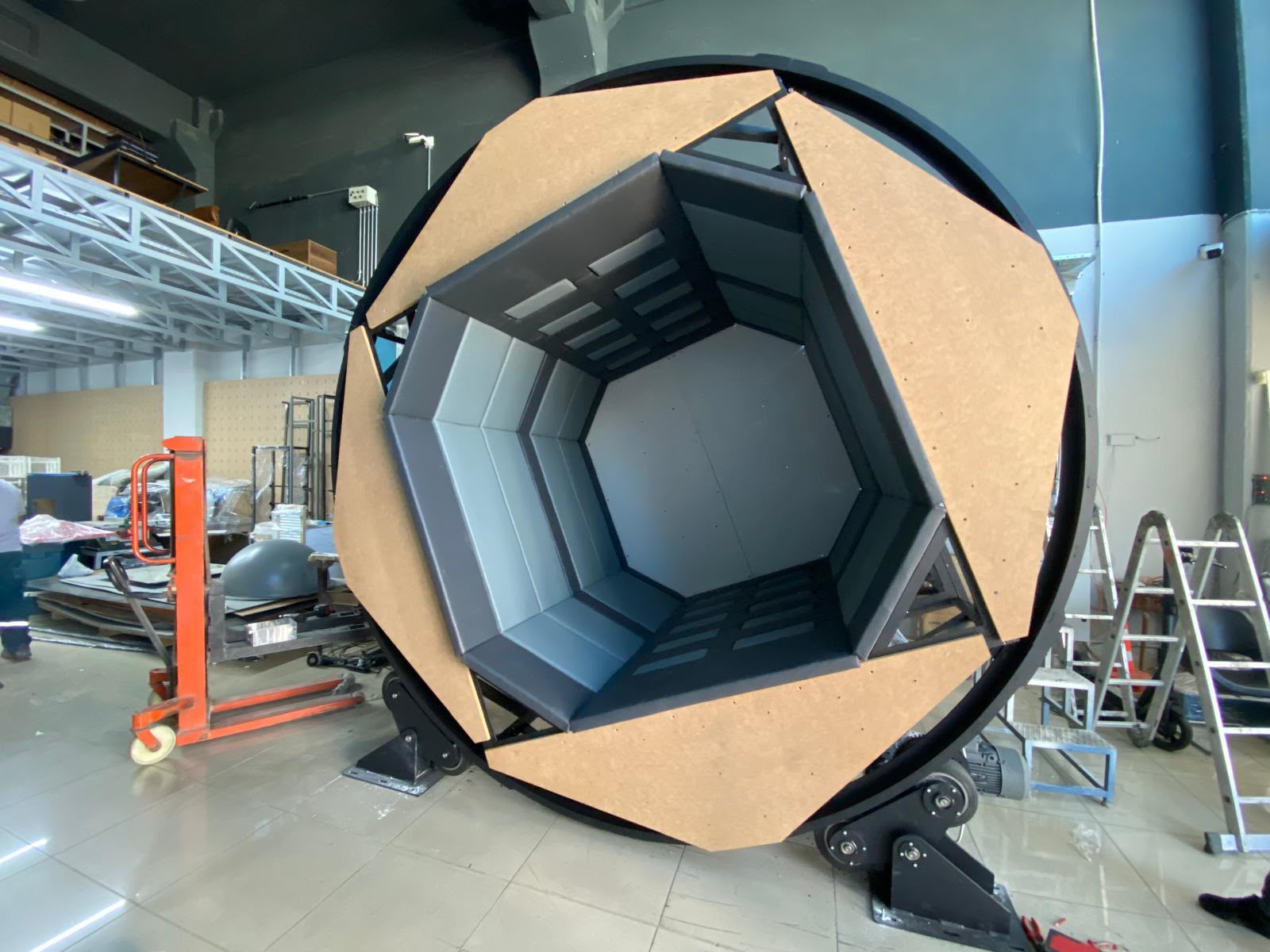
Why Scenic Fabrication Is Essential for Modern Theme Parks and Museum Exhibits
Theme parks and museums both rely on one thing to bring their stories to life: physical, hands-on design work that visitors can touch, walk through, and remember. This blog explains what scenic fabrication actually involves, why theme parks and museums depend on it, and what to look for when choosing a fabrication partner.
By the end, you will understand how this craft shapes guest experiences and why the right team makes all the difference.
What Is Scenic Fabrication?
Scenic fabrication is the process of designing and building custom sets, props, and structures for themed spaces. This includes theme park rockwork, storefronts, ride vehicles, character figures, and large architectural elements.
Unlike standard construction, this work starts from a concept sketch, not a catalog. A fabrication team turns a designer’s vision into a physical structure using materials like fiberglass, foam, steel, and specialty coatings.
Key traits of this process include:
- Custom molds built for one-time or repeat use
- Hand-sculpted detail work for realistic textures
- Paint and finish work that matches concept art exactly
- Structures built to meet safety and fire-code standards
Every project starts with drawings and reference photos. From there, the team builds a working model, refines it with the designer, then moves into full-scale production. This step-by-step process protects the budget and keeps the final piece true to the original vision.
Why Theme Parks Depend on Scenic Fabrication
Theme parks live and die by immersion. Guests expect every rock, tree, and building facade to feel real, even though most of it is built from lightweight composite materials.
Scenic fabrication gives parks the tools to build environments at scale without the weight and cost of traditional construction. A fiberglass rock formation, for example, can look identical to real stone while weighing a fraction of the amount.
This matters for a few reasons:
- Lightweight structures are easier and cheaper to install
- Custom molds allow repeatable elements across large areas
- Durable finishes hold up under weather and heavy foot traffic
- Sculptural detail keeps the guest experience believable
Ride vehicles, entry archways, and themed facades all depend on the same core skills: sculpting, mold-making, and finish work. Parks that invest in strong fabrication partners see fewer repairs and a more consistent guest experience across every attraction.
The Role of Scenic Fabrication in Museum Exhibit Design
Museums face a different challenge. Their exhibits need to survive constant hands-on interaction from visitors, including children, while still looking polished and accurate.
Scenic fabrication techniques apply directly to this work. The same sculpting, mold-making, and finishing skills used in theme parks are used to build dioramas, replica specimens, and interactive exhibit pieces.
Good museum exhibit design depends on materials that can survive thousands of touches a year without losing detail or finish. This is where fabrication expertise becomes critical, not optional. A poorly built exhibit wears out fast, loses paint, and becomes a maintenance headache within months.
Common exhibit elements built this way include:
- Life-size dioramas and habitat replicas
- Interactive touch models for science centers
- Replica artifacts and specimens
- Architectural build-outs within exhibit halls
Museums also need pieces that travel well. Touring exhibits get packed, shipped, and reassembled many times, so joints, mounts, and finishes need to hold up through repeated handling.
Key Elements of Great Museum Exhibit Design
Strong museum exhibit design goes beyond visuals. It has to balance storytelling, durability, and accessibility for a wide range of visitors.
A well-designed exhibit should include:
- Clear visual storytelling that guides visitors through a narrative
- Durable materials that withstand daily handling
- Accessible layouts for visitors of all ages and abilities
- Lighting and finishes that highlight important details
- Easy maintenance for long-term display
When these elements come together, exhibits stay engaging and functional for years, not just for opening week. Curators and fabricators need to work closely from the earliest planning stages to avoid costly redesigns later in the project.
What to Look for in the Best Museum Exhibit Fabrication Companies
Not every fabrication shop can handle museum work. Exhibit pieces need to survive constant public interaction, which requires a different level of engineering than a one-time theatrical set.
When researching the best museum exhibit fabrication companies, look for a few specific qualities:
- A strong portfolio of completed museum and science center work
- In-house sculpting and mold-making capability
- Experience with durable, low-maintenance materials
- A track record of meeting exhibit deadlines and budgets
- Willingness to collaborate closely with exhibit designers and curators
A company that checks these boxes is far more likely to deliver a finished exhibit that performs as intended, both visually and structurally. Ask for references from past museum clients and, if possible, visit an installed exhibit in person before signing a contract.
Materials and Techniques Used in Scenic Fabrication
Most scenic fabrication work relies on composite materials, especially fiberglass, because of its strength-to-weight ratio and ability to hold fine detail.
Common techniques include:
- Hand layup for one-of-a-kind sculptural pieces
- Vacuum infusion for a clean, consistent finish
- Mold casting for repeatable exhibit or themed elements
- Faux finishing to replicate stone, wood, or metal
Benefits of Professional Scenic Fabrication
Working with an experienced fabrication team offers real, measurable benefits for theme parks, museums, and experiential attractions alike.
The advantages include:
- Faster production timelines through proven processes
- Consistent quality across large or repeated installations
- Long-term durability that reduces replacement costs
- Flexibility to match any design concept or theme
- Compliance with safety and building code requirements
Professional scenic fabrication turns ambitious concept art into a structure that guests can safely walk through, touch, and enjoy for years. Skipping this expertise often leads to rushed builds, weak joints, and finishes that fail long before the exhibit’s expected lifespan.
The Bottom Line
Scenic fabrication shapes the physical world behind every theme park attraction and museum exhibit. It turns concept art into structures that guests can touch, explore, and remember. From durable museum exhibit design to large-scale themed builds, the right fabrication partner determines how well a project performs for years to come. When choosing a team, look at their portfolio, materials expertise, and ability to meet deadlines.
Alice Scenic Studios brings the sculpting, mold-making, and finishing skills needed to turn your vision into reality. Reach out today to start your project.
Frequently Asked Questions
- What is scenic fabrication used for?
It is used to build custom sets, props, and structures for theme parks, museums, cruise ships, and other themed spaces. This includes rockwork, storefronts, dioramas, and character figures. - How long do fabricated exhibit pieces last?
Well-built pieces can last for decades with proper maintenance. Quality materials and periodic refinishing keep exhibits looking sharp for years after installation. - What makes museum exhibit fabrication different from theme park work?
Museum pieces need to survive constant hands-on interaction from the public. This requires extra durability and careful material selection compared to some theatrical set pieces. - Is fiberglass the best material for scenic and exhibit work?
Fiberglass is a popular choice because it is lightweight, durable, and holds detail well. The best material depends on the specific project and its budget. - How do I choose a fabrication company for my project?
Look at their portfolio, ask about their experience with similar projects, and confirm they can meet your timeline and budget. Direct communication with their team is also a good sign of a reliable partner.