

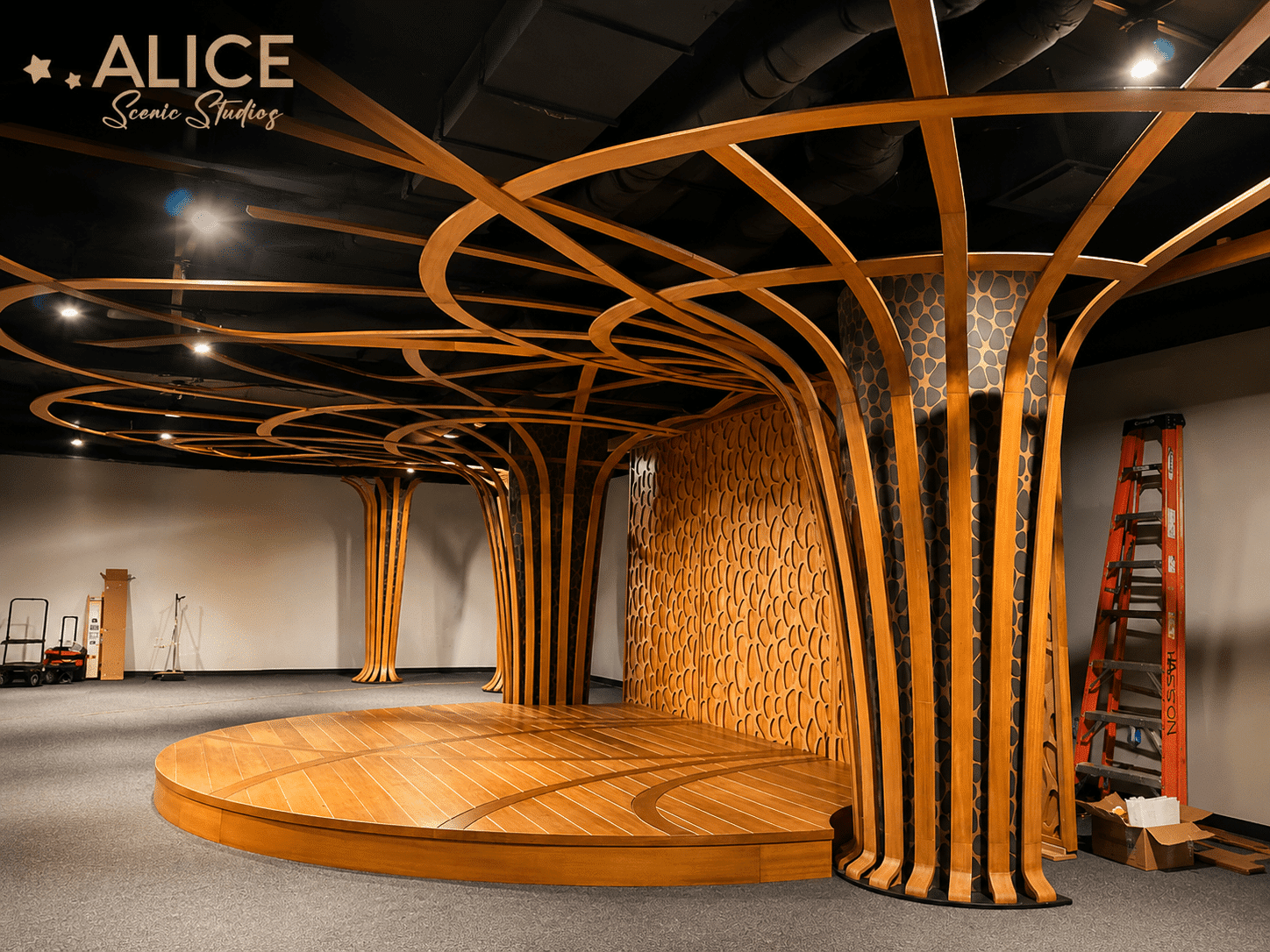
How Museum Exhibit Fabrication Creates Engaging Visitor Experiences
Visitors remember how a museum made them feel, not just what they read on a wall label. That feeling comes from the physical space around them: the lighting, the textures, the way a display invites them to lean in and look closer. This is the real work of museum exhibit fabrication. It turns a curator’s idea into a space visitors want to explore, touch, and remember long after they leave.
This blog looks at how that process works and why it matters so much for visitor engagement.
Why the Physical Build Matters So Much
Good museum exhibit fabrication turns abstract ideas into something tangible by focusing on:
- Scale and proportion that make a space feel immersive rather than flat
- Lighting that draws attention to the right details at the right moment
- Textures and materials that invite visitors to look closer
- Layout that guides movement naturally through the story
When these elements come together well, visitors stop reading labels and start experiencing the exhibit itself. That shift is what separates a forgettable gallery from one people talk about after they leave.
Where Every Exhibit Project Begins
Before any building happens, a project starts with questions. What story does the exhibit need to tell? Who is the audience, and what will make them want to stay longer?
At this stage, teams typically address:
- The core message or theme the exhibit needs to communicate
- Audience age range and accessibility requirements
- Available budget and a realistic project timeline
- Space constraints within the existing museum layout
Skipping this groundwork is one of the most common reasons exhibit projects run over budget. A weak foundation at the planning stage tends to create compromises in every phase that follows.
Designing for Engagement, Not Just Display
Once the concept is approved, the project moves into technical planning. This is where a curator’s vision becomes a working plan that a fabrication team can actually build from.
This phase usually covers:
- Visitor flow and how people move through the space
- Placement of major elements, cases, and interactive stations
- Sightline checks for different visitor heights, including wheelchair users
- Early lighting and structural planning
Strong interactive exhibit design treats this phase as the most important checkpoint in the entire process. Interactive stations and moments of surprise keep visitors engaged longer than a passive walk-through ever could. Planning for these moments early makes them feel like a natural part of the space instead of an afterthought.
Material Choices That Shape the Visitor Experience
Material selection drives nearly every outcome that matters, including cost, durability, and how an exhibit looks years down the road. It also directly affects how visitors experience a piece up close.
Designers weigh several factors before locking in materials:
- How much daily handling a piece will realistically face
- Cleaning and maintenance requirements over time
- Fire code and accessibility compliance
- How well a material holds paint, texture, and fine detail
A well-executed piece of museum exhibit fabrication does not just look right in a rendering. It has to survive thousands of hands touching it, years of foot traffic, and constant public use without losing the details that make it engaging in the first place.
Inside the Fabrication Shop
This is where drawings turn into physical objects. Sculptors, mold-makers, and finish artists take the approved design and build every piece by hand or through custom molds.
Work happening in the shop typically includes:
- Sculpting and mold-making for dioramas or replica pieces
- Building structural frames and mounting systems
- Applying paint, texture, and faux finishes to match reference art
- Wiring and assembling interactive or mechanical elements
Skilled museum exhibit fabrication teams manage this stage closely, since small errors here are far harder to fix once a piece is installed inside the museum. The fine detail work done in the shop is often what makes a visitor stop and take a second look.
You can also read : The Museum Exhibit Design Process: From Planning to Fabrication
Building in Moments of Discovery
The best museum exhibits do not just present information. They create small moments of discovery that keep visitors curious, whether that is a hidden compartment, a button that triggers a sound, or a texture that surprises the hand.
These moments come from thoughtful interactive exhibit design built into the fabrication process from the start, including:
- Hands-on stations that let visitors control part of the experience
- Sensory elements like sound, texture, or movement
- Discovery points that reward visitors who explore further
- Accessible interactions that work for visitors of different abilities
These details take extra planning and build time, but they are often what visitors remember most after they leave.
Testing Before the Public Ever Sees It
Finished pieces do not go straight from the shop floor to the gallery floor. They go through testing first, since problems are far cheaper to fix before installation than after.
Typical checks include:
- Structural stability under repeated weight and pressure
- Reliability testing for interactive or mechanical components
- Reviewing finishes and colors under the exhibit’s actual lighting
- Confirming accessibility standards are fully met
This step protects both the visitor experience and the museum’s investment, since an interactive element that fails within the first month undermines the entire exhibit’s credibility.
Installation Day
The final phase brings everything together inside the museum itself, demanding tight coordination between the fabrication team, museum staff, and other on-site contractors.
Installation typically involves:
- Transporting and carefully positioning large or delicate elements
- Wiring electrical and interactive systems on site
- Adjusting lighting and sightlines to match the actual room
- A final walkthrough with curators before opening day
Strong museum exhibit fabrication planning accounts for these logistics from the very beginning. A piece that looks flawless in the shop still has to fit through the museum’s doors, hallways, and freight elevators without a scratch.
Common Slowdowns Worth Planning Around
Even well-managed projects hit friction points. Knowing where these usually happen helps museums plan ahead instead of reacting under pressure.
Frequent slowdowns include:
- Scope changes requested after fabrication has already started
- Underestimating how long custom mold-making actually takes
- Coordinating too many vendors without one clear point of contact
- Site conditions that differ from the original architectural drawings
Museums that build in extra time for these possibilities tend to stay closer to their original budget and opening date.
The Bottom Line
A successful exhibit depends on strong planning just as much as skilled craftsmanship. Careful museum exhibit fabrication is what turns a good idea into a space people genuinely want to explore.
Alice Scenic Studios brings the sculpting, fabrication, and installation expertise needed to bring your next exhibit to life. Reach out today to start your project.
Frequently Asked Questions
- What is museum exhibit fabrication?
It is the process of designing and building the physical elements inside a museum, including layout, materials, graphics, and interactive components. - How does fabrication affect visitor engagement?
Well-built exhibits use lighting, texture, and interactive elements to draw visitors in, turning a passive walk-through into an active experience. - Why does material choice matter so much in exhibit projects?
Exhibits face constant public handling. The wrong material wears out fast, while the right one holds its finish and structure for years. - What role do interactive elements play in a museum exhibit?
They create moments of discovery that keep visitors curious and help them remember the exhibit long after their visit. - How long does a typical museum exhibit project take?
Most projects run several months to a year, depending on scope, complexity, and how much custom fabrication the exhibit requires.